

Dead stock is easy to ignore because it does not usually arrive as an emergency. It sits on a rack, in an overflow location, or across a few branches while the team handles shortages and urgent orders. But every dormant item represents cash, space, and attention that cannot be used for the work that is moving.
For distributors, the useful question is not simply, “Which items have not sold?” A spare part can sit for months and still support an important customer. A seasonal item can look dormant until its selling window returns. The stronger question is: which inventory no longer has a credible job in the plan, and what is the best decision for it now?
Start by separating dead stock from its look-alikes
Loose language creates loose decisions. A slow mover, excess inventory, obsolete item, and dead item may all deserve attention, but they do not deserve the same action. A slow mover may need a more careful reorder rule. Excess inventory may be transferred or allowed to sell down. An obsolete item may require a controlled write-down or disposition. Dead stock is the narrower group with no credible demand through its normal route at a useful value.
That distinction is more than semantics. Shopify’s overview of dead stock and its common causes points to overbuying, seasonality, weak controls, and inaccurate demand expectations. In distribution, add customer changes, substitutions, vendor minimums, product transitions, and a branch that no longer serves the right local demand.
Classify an item as dead only when the team has checked its normal demand, customer commitments, seasonality, available substitutes, and future use. If the line could still move through a realistic path, it may be slow or excess stock, not dead.
Do not use one age threshold for every SKU
A single “no movement in X days” rule is fast, but it can be expensive when it ignores context. Put item families on different clocks. Perishables, trend-sensitive products, and superseded parts may need a short clock. Long-lead replacement parts, low-volume engineered items, or contract-specific stock may need a longer one. The threshold should create a timely review, not an automatic verdict.
Seasonality deserves its own treatment. A product that missed a season may be at risk even if it was received recently. Another may be correctly held for an established annual cycle. Tie the review to the next real demand opportunity, not just the calendar.
Build an aging view that leads to action
Most teams already have enough data to begin. Build the first view at the item and location level, then rank the list by value at cost, not just unit count. Ten low-cost fittings may not deserve the same discussion as one dormant line that occupies a meaningful amount of working capital.
For every candidate, bring together the information a buyer or inventory leader needs to decide:
- Movement: the last sale, shipment, consumption, or transfer, plus the pattern before it slowed.
- Position: on-hand, allocated, inbound, on-order, and committed quantities by relevant branch.
- Demand context: open quotes, customer programs, projects, seasonality, product substitutions, and discontinued lines.
- Supply context: supplier return rights, minimum order quantities, lead times, vendor changes, and replacement items.
- Value and condition: extended cost, storage requirements, expiry or deterioration risk, and the likely recovery value through each route.
An aging report becomes useful when it shows the item’s story, not just its age. Oracle’s inventory aging guidance similarly looks at movement, average inventory age, and sales share, then checks demand across locations before recommending a transfer or disposition. That is a better operating pattern than treating every quiet item as a markdown candidate.
Use states, not a giant exception list
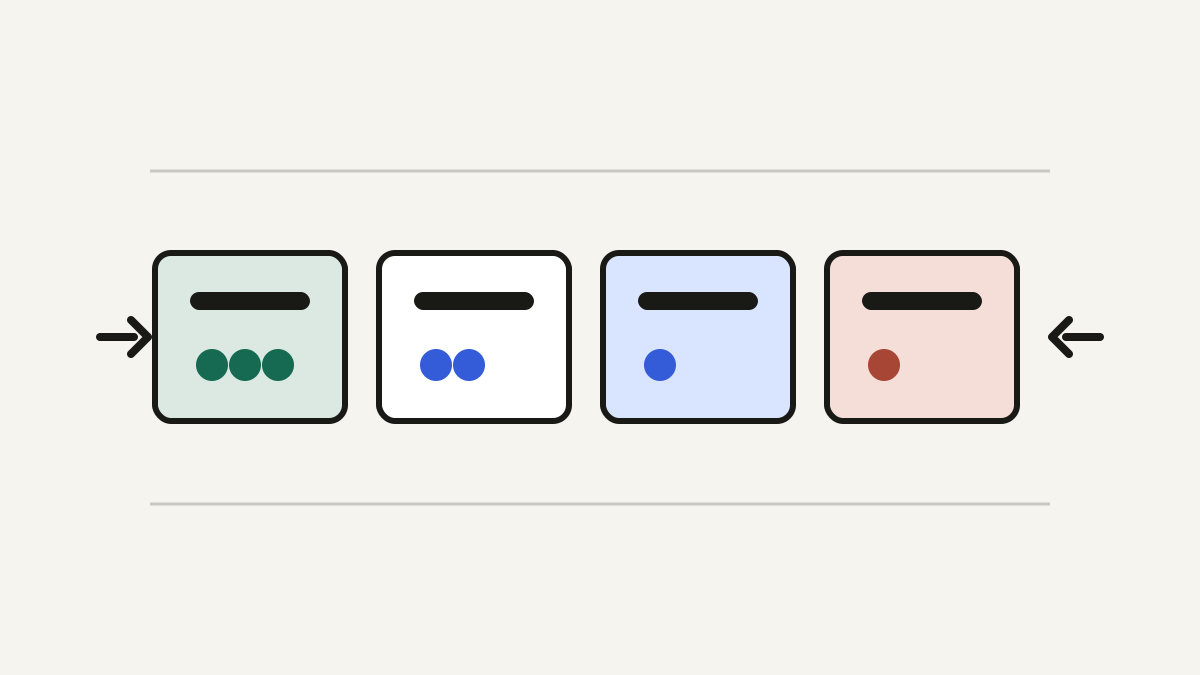
Give people a small number of understandable states: healthy, slow, at risk, and recovery required. “Healthy” needs no meeting. “Slow” deserves a review before the next replenishment cycle. “At risk” needs a named owner and an earlier decision. “Recovery required” means automatic replenishment should be paused until the team chooses a route.
This turns thousands of rows into a queue the team can work. It also makes the review repeatable. A buyer should not have to rediscover the same dormant item every month because no one knows whether it was already discussed.
Review the queue with the people who know the item’s actual use. Sales may know about a customer change, service may know a replacement part is still needed, and purchasing may know a vendor has agreed to a return. A short, prepared review is better than a broad meeting that ends with everyone taking a separate list away.
Find the cause before choosing the cure
A clearance action may recover value, but it does not prevent the next build-up. For each item, ask what changed between the original order and today. Was the demand signal wrong? Did a customer leave, delay a project, or move to a substitute? Did a supplier minimum force too much stock into the order? Was the item replaced without its status being updated? Did stock sit in the wrong branch while another location had demand?
That short diagnosis matters because the remedies differ. If demand was real but now sits at another location, a transfer can be the right move. If a vendor transition made the line obsolete, holding it for another quarter only adds cost. If a planner routinely orders around a minimum, the next answer may be a changed purchasing rule or a supplier conversation.
Look for the patterns that get hidden in averages
Portfolio-level turnover can look respectable while a small group of items quietly becomes a write-down. Review the tail by dollar value, age band, and item family. Then look for repeated causes: a particular vendor, a type of new-item introduction, a branch, a customer segment, or a class of substitute products. Those patterns are where an inventory process can actually improve.
Keep the discussion constructive. Dead stock is not always evidence of poor judgment. Sometimes it is the cost of protecting service, taking a calculated new-product bet, or supporting a customer during a volatile period. The goal is to make that tradeoff visible, then decide whether the item still earns its place.
Choose a recovery path, with a deadline
Once the team agrees an item is not needed for the normal selling path, give it one route and one owner. Leaving it in a vague “watch” status is simply a slower way to accept the loss. The best route depends on demand, condition, supplier terms, margin, brand considerations, and the cost of continuing to hold it.
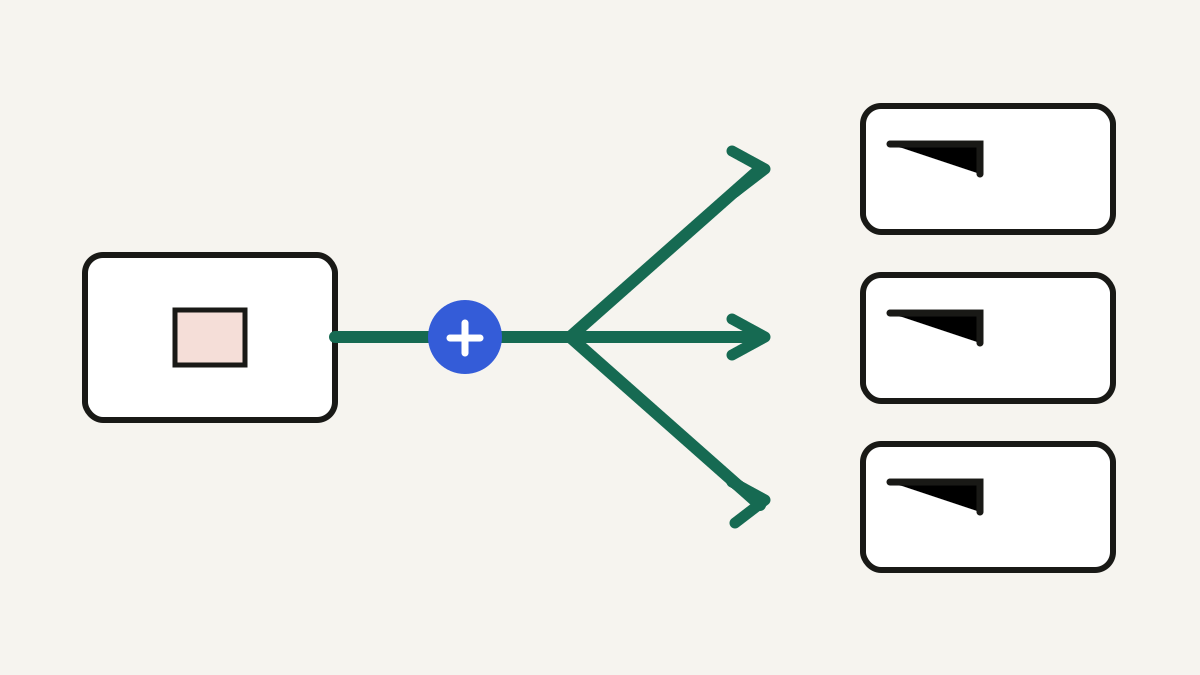
- Transfer: move stock to a branch, business unit, or customer channel where there is current demand. Check the full cost of moving it, not only the unit price.
- Supplier return or credit: use a return agreement, stock rotation program, or negotiated credit where it genuinely improves recovery.
- Bundle, substitute, or targeted sale: pair useful stock with a customer need or related line. Avoid broad discounting that trains customers to wait for a lower price.
- Bulk exit: sell through a secondary channel when speed and space matter more than full margin recovery.
- Controlled disposition: for stock with no viable demand, record the decision, follow the business’s financial policy, and clear the operational record so the same line is not silently reordered.
Do not let the article’s advice stand in for finance or tax guidance. Where an inventory write-down is being considered, the business should use its own accounting policy and professional advice. The IRS guidance on inventory methods is a useful starting reference in the United States, but the appropriate treatment depends on the facts and the business’s reporting rules.
Prevent the next build-up in the purchasing rhythm
Prevention is not a separate inventory project. It belongs inside the next-order decision. A buyer should be able to see when a recommended order would deepen an existing overage, when another branch has demand, when a supplier minimum is driving the quantity, and when a product transition changes the risk.
Set a few practical controls. Pause automatic replenishment on recovery-required items. Require an explicit reason to override that pause. Review high-value new items before the second or third order, when the business has learned something but still has time to change course. Feed approved product transitions and customer-program changes into the same planning view that drives purchasing.
Then measure whether the rhythm is working. Track the value in each aging band, the number of recovery decisions that meet their deadline, repeat purchases of already-at-risk stock, and the reasons new items entered the queue. These measures keep the team focused on the process, not just the final count.
Where Lark fits into the workflow
Dead stock is often a visibility problem before it becomes a disposition problem. The relevant context can sit across sales history, branch availability, inbound supply, customer activity, and purchasing records. Lark’s inventory monitoring agent is designed to surface the changes that deserve attention, so teams can investigate an item while more options are still available.
That work connects naturally to Lark’s demand forecasting agent, which helps bring changing demand into the planning conversation, and the purchasing agent, which supports the next-order workflow. The point is not to automate away the judgment call. It is to give the people making it a clearer, more complete starting point.
A simple 30-day starting plan
Choose one meaningful slice of inventory, such as high-value slow movers in a branch or a product family with frequent substitutions. Agree the working states and thresholds. Build the first aging queue with the decision fields above. Assign every recovery-required item a route, owner, and date. At the end of the month, review what moved, what did not, and which cause patterns appeared.
Start small enough that the decisions actually happen. A clean pilot teaches the team what information is missing and which rules need refinement. That is far more useful than a giant report that lists every quiet SKU but changes nobody’s next action.
Frequently asked questions
What is dead stock?
Dead stock is inventory that has stopped moving through its normal selling or use path and has no credible near-term recovery at its normal value. It is different from a slow-moving item that still has a known demand pattern.
How long before inventory becomes dead stock?
There is no universal number of days. Set a threshold by product family, selling season, supplier lead time, and the decision you need to make. A seasonal line should be judged against its selling window, while a stable replacement part may deserve a longer review period.
What is the difference between dead stock and excess inventory?
Excess inventory is more than the business expects to need, but it can still sell. Dead stock has little or no credible demand through the normal channel. The distinction matters because excess stock may need a slower reorder, while dead stock needs an explicit recovery or disposition decision.
How can a distributor reduce dead stock?
Start with an aging view by SKU and location, separate slow movers from truly dormant lines, stop automatic replenishment where appropriate, then give each item a named recovery path. Prevention comes from reviewing demand changes, supplier constraints, item status, and exceptions before the next order is placed.